Employer of Record (EOR) services in India
Hire, onboard, and manage your team in India with an EOR service from just €299 per person/month
✓ First candidates in 72h
✓ 98% retention
✓ Compliance handled
Trusted by leading brands


.svg)


Hire, onboard, and manage your team in India with an EOR service from just €299 per person/month
✓ First candidates in 72h
✓ 98% retention
✓ Compliance handled
TALENT POOL


India is where scale meets skill. Millions of graduates hit the market every year, fluent in English and trained in tech, finance, and support.
Salaries are competitive without cutting quality. Talent is ambitious, retention is strong, and teams can be built fast. That’s why companies start hiring here first.




Comparison
What you get
Comparison
GMT+5.30 (No Daylight Saving)
(GMT+1, GMT+2 in Daylight Saving)
4h 30m behind India
(GMT, GMT+1 in Daylight Saving)
5h 30m hours behind India
(New York, GMT-5, GMT-4 in Daylight Saving)
10h 30m behind India
Our services
Employees are generally entitled to15–30 days of earned leave annually, depending on company policy and state regulations. Leave is typically accrued monthly and managed via employer payroll systems.
Employees are entitled to 6–12 days of sick leave per year, depending on the state. A medical certificate may be required for absences longer than 2–3 days.
India recognizes national holidays (e.g., Republic Day, Independence Day, Gandhi Jayanti) and state-specific holidays, which vary by region. Most employers offer 10–14 paid holidays annually.
Paternity leave is not mandated by Indian law for private sector employees. Some companies offer 5–15 days as a benefit, but this is employer-dependent.
Female employees are entitled to 26 weeks of paid maternity leave, as per the Maternity Benefit (Amendment) Act, 2017. For women with two or more children, the entitlement reduces to 12 weeks.
TALENT POOL
We offer a premium package of insurance to every talent in our community
We support fully remote work while providing 24/7 access to our office whenever collaboration or workspace is needed
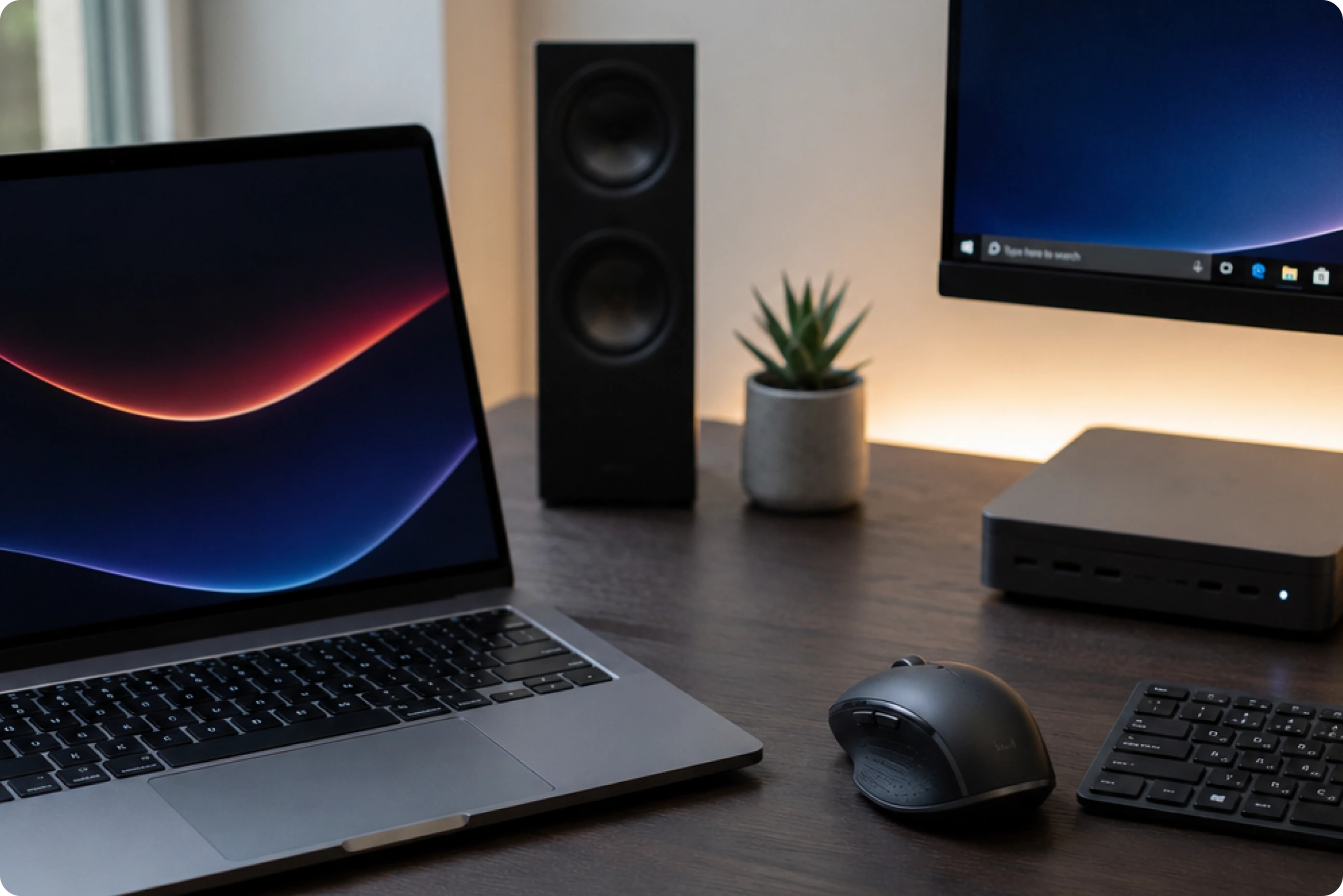
We provide high-quality hardware and equipment tailored for tasks and projects of any complexity
We cover access to over 300 sports clubs and wellness facilities to support a healthy and active lifestyle
We invest in professional growth through training programs, workshops, and language courses for every team member
We build a strong community through online and offline meetups, networking events, and team activities throughout the year





TALENT POOL
Talent Pool





Form
Blog
TALENT POOL
Hire, onboard, and manage your team in Georgia without opening a local entity. One flat fee: from €299 per employee/month
Learn more →Hire, onboard, and manage your team in Armenia without opening a local entity. One flat fee: from €299 per employee/month
Learn more →Hire, onboard, and manage your team in Azerbaijan without opening a local entity. One flat fee: from €299 per employee/month
Learn more →Hire, onboard, and manage your team in Turkey without opening a local entity. One flat fee: from €299 per employee/month
Learn more →Hire, onboard, and manage your team in Uzbekistan without opening a local entity. One flat fee: from €299 per employee/month
Learn more →Hire, onboard, and manage your team in Kazakhstan without opening a local entity. One flat fee: from €299 per employee/month
Learn more →Hire, onboard, and manage your team in Egypt without opening a local entity. One flat fee: from €299 per employee/month
Learn more →






FREQUENLTY ASKED QUESTIONS
.svg)
340+
Vetted talents
24h
First candidates
70%
Avg. cost vs western hire
92%
Client retention rate